Hazardous Substance Removal
Safely remove invisible risks and pollutants
Coatings or residues containing lead, chromates, or other hazardous substances pose a significant risk to health, the environment, and occupational safety. These layers are often invisible, adhere stubbornly, and can be released during removal if the method is not strictly controlled. At the same time, the underlying surfaces must remain protected, as components in these critical areas often fulfill an essential technical function.
Traditional methods are only of limited suitability here. Chemical cleaners dissolve hazardous substances and generate contaminated wastewater, abrasive blasting produces large amounts of special waste, and wet wiping tends to spread pollutants rather than reliably removing them. Such methods increase the health risk, complicate disposal, and unnecessarily pollute the environment.
Laser cleaning removes hazardous layers in a controlled, dry, and chemical-free manner – precisely, dust-free, and completely residue-free. The process releases neither dust nor wastewater, as all particles are captured in the filter system, reducing the waste volume to an absolute minimum. The cleaning remains reproducible, safe, and easy to document, significantly simplifying the proof required for authorities, insurances, or internal safety departments.
- Lead-based paints
- Chromating agents (e.g., Cr VI)
- Cadmium and nickel plating
- PCB-containing coatings
- Contaminated protective paints
- Steel beams and bridge elements
- Industrial plants with old coatings
- Machine components and housings
- Public buildings and infrastructure
- Decontamination work following a hazardous materials assessment
- Safe – no release of hazardous substances
- Dry – no wastewater pollution
- Selective – targeted removal of the contaminated layer
- Transparent and comprehensive documentation
- Efficient – no dismantling, reduced downtime
| Criterion | Laser | Chemicals | Abrasive Blasting | Wet wiping |
|---|---|---|---|---|
| No abrasion | 🟢 | 🔴 | 🔴 | 🟠 |
| No water | 🟢 | 🔴 | 🟢 | 🔴 |
| Precision | 🟢 | 🟠 | 🔴 | 🔴 |
| CO₂ Footprint | 🟢 | 🔴 | 🔴 | 🟠 |
🟢 Excellent • 🟠 Average • 🔴 Disadvantageous
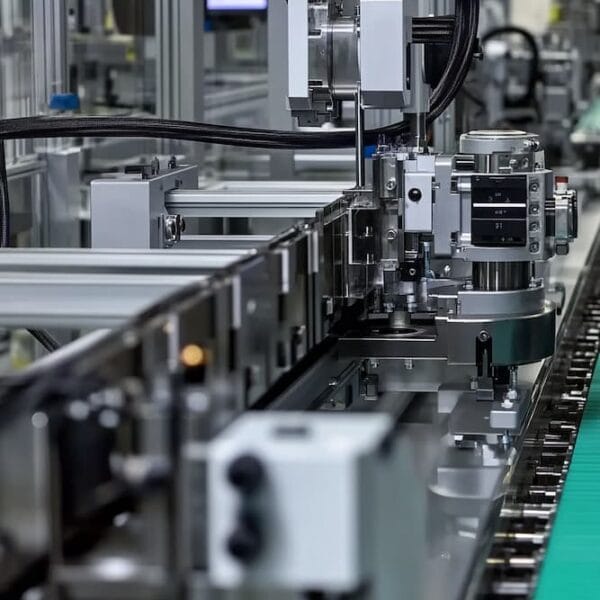
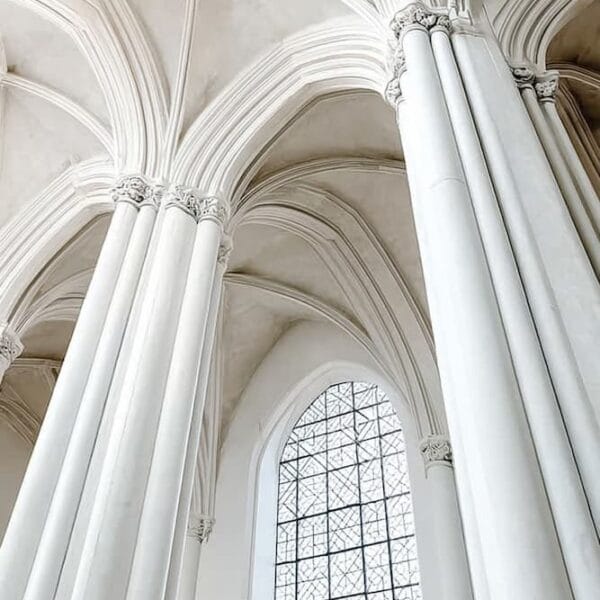
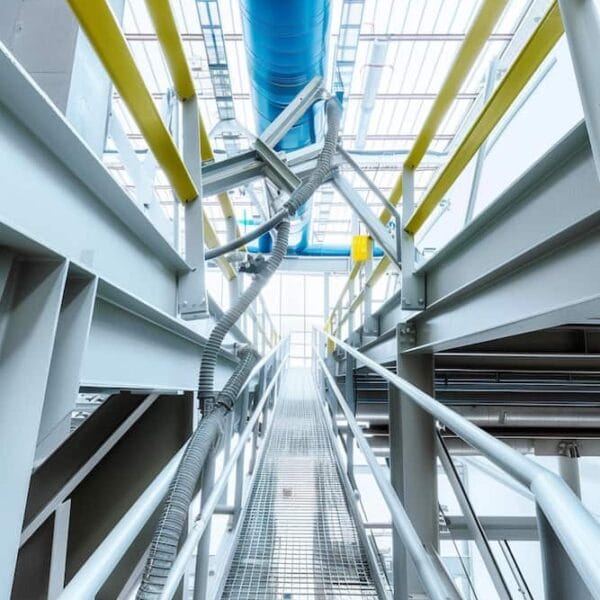
Laser removal of hazardous substances is particularly relevant for these sectors


FAQ – Frequently Asked Questions
Can all pollutants be removed with the laser?
Lead, chromates, cadmium, and many other pollutants can be effectively removed. For very specific cases, each project is evaluated individually.
Does the process generate hazardous dust?
No, harmful particles are immediately extracted at the source and safely contained in our H-class filter systems.
How is occupational safety ensured?
The work is carried out in enclosed laser areas in strict compliance with SUVA regulations, including the use of appropriate personal protective equipment (PPE).
What happens to the removed materials?
The residues remain as fine, dry dust in the filter cartridges and are disposed of in a controlled manner as special waste. The volume is significantly lower compared to blasting abrasives or chemical sludge.
Can the laser damage the underlying surface?
No, the removal process is highly selective and precise down to the micrometer. The base material (steel, concrete, etc.) remains completely intact.
Nettoyage laser : Bâle, Argovie, Berne, Lucerne et Zurich
Traitement de surface mobile avec garantie de qualité : précision, efficacité et intervention directement sur site. Réservez une démonstration et constatez par vous-même à quel point le nettoyage laser est écologique et performant.
Partenariats

ECO LASER CLEANING ® 2026. Tous droits réservés.