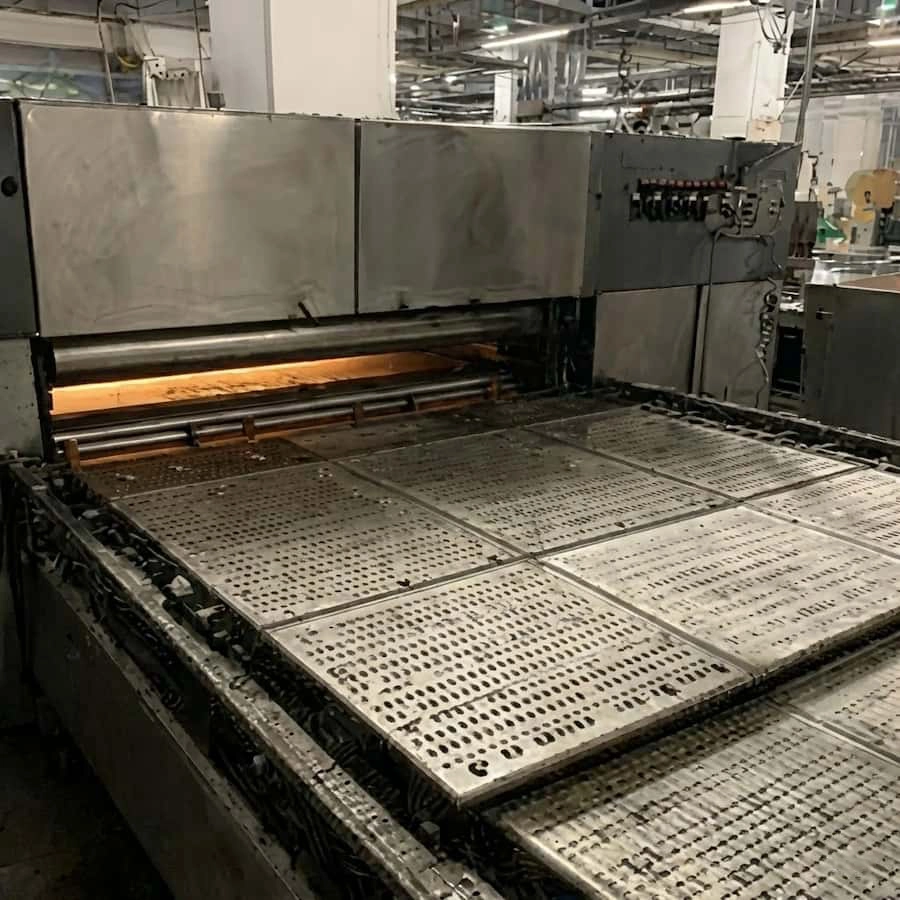
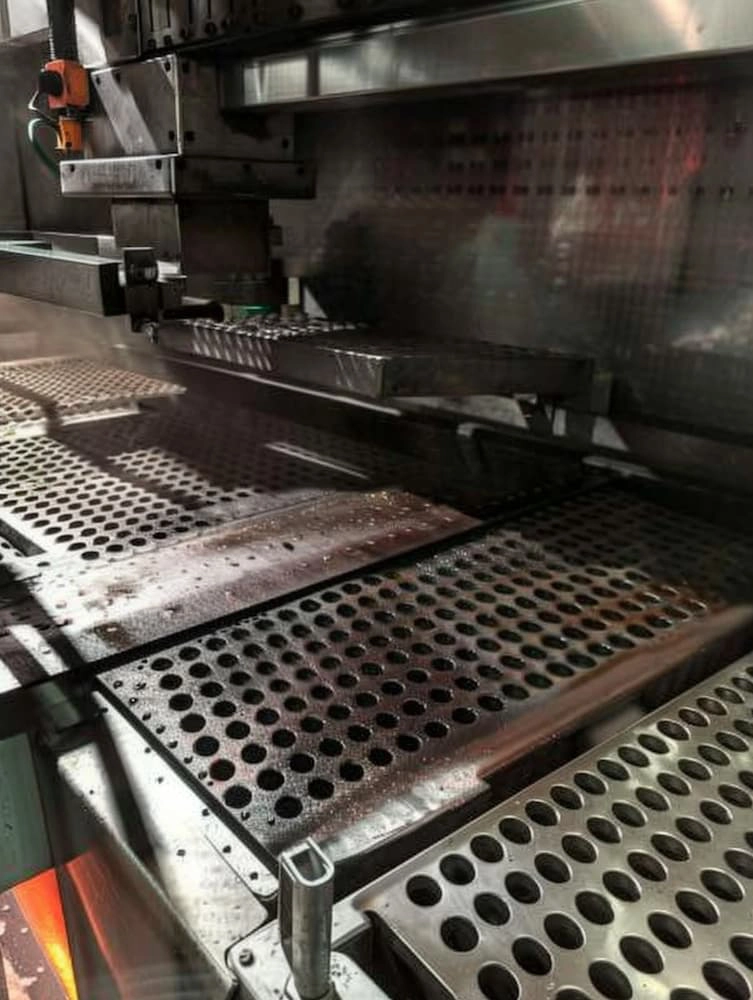
Cleaning directly on the production line
Efficient cleanliness at the heart of the production process
In many production facilities, cleaning is a significant time and cost factor because components must be dismantled, cleaned, transported, and reassembled. Especially in the food, packaging, plastics, or conveyor technology sectors, such interruptions lead to long downtimes and increased personnel costs. At the same time, facilities must be cleaned hygienically, safely, and reproducibly, without placing additional stress on the material or operations.
Traditional methods have clear disadvantages here. CIP systems using alkalis or solvents generate large amounts of wastewater and pollute the environment, abrasive blasting causes wear and CO₂ emissions, and manual scrubbing is imprecise, time-consuming, and hard to document. In complex geometries, residues often remain, which can compromise process hygiene.
Laser cleaning enables precise and dry cleaning directly in the installed state (in-line) – without chemicals, without water, and without dismantling plant components. Deposits are selectively removed while the environment remains clean and the structure of the components is fully preserved. This reduces downtime by up to 70%, increases process reliability, and sustainably lowers the carbon footprint. The entire process remains controlled, reproducible, and can be clearly documented for internal quality requirements.
- Polymer and resin residues
- Oil and grease layers
- Corrosion and oxide deposits
- Adhesions from powder or granules
- Biofilm and dirt layers
- Conveyor belts and production lines
- Extrusion and injection molding systems
- Mixers, centrifuges, and filling lines
- Pumps, valves, and pipelines
- Food production facilities
- Pharmaceutical production facilities
- No dismantling required – cleaning directly in the system
- Time-saving – downtime reduced by up to 70%
- Dry – no wastewater, no solvent odor
- Selective – only the coating is removed
- Sustainable – less waste, lower CO₂ footprint
| Criterion | Laser | CIP with alkali/solvent | Abrasive blasting (Dry ice) | Manual cleaning |
|---|---|---|---|---|
| No abrasion | 🟢 | 🟠 | 🟢 | 🔴 |
| No water | 🟢 | 🔴 | 🟢 | 🔴 |
| Precision | 🟢 | 🟠 | 🟠 | 🔴 |
| CO₂ Footprint | 🟠 | 🔴 | 🟠 | 🔴 |
🟢 Excellent • 🟠 Average • 🔴 Disadvantageous
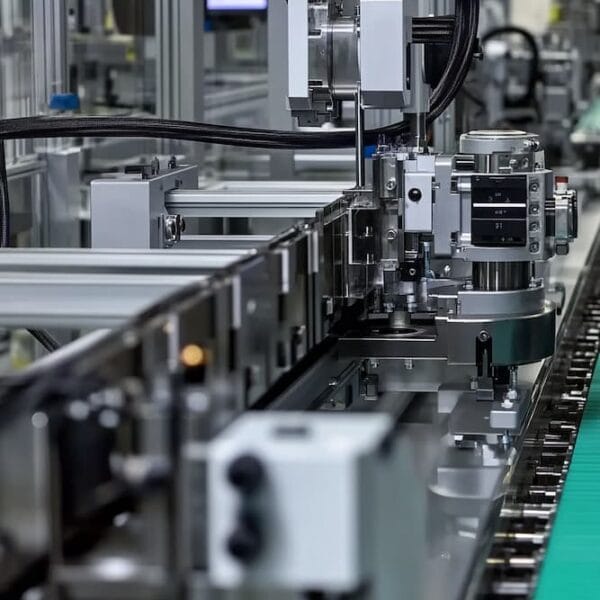
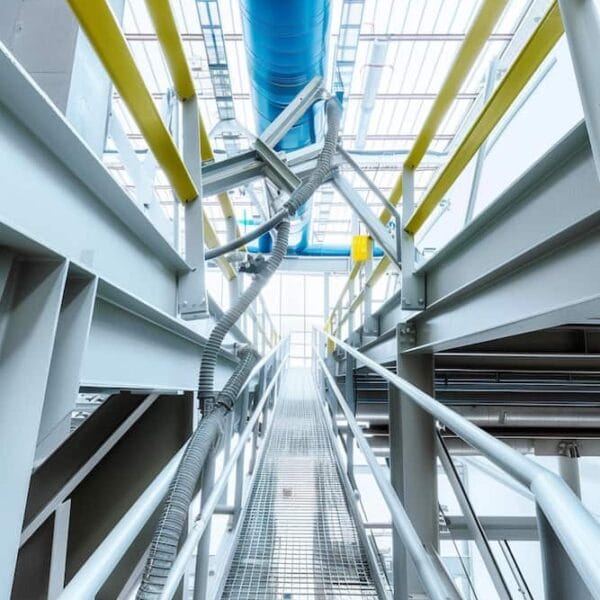
Inline laser cleaning is particularly suitable for these sectors



FAQ – Frequently Asked Questions
Does the entire system need to be shut down?
No, many components can be cleaned in situ (without dismantling) – this significantly reduces downtime.
Is laser cleaning compatible with CIP/SIP systems?
Yes, the laser can be integrated into existing processes and partially replaces chemical cleaning.
Can food and pharmaceutical areas also be cleaned?
Yes, laser cleaning is chemical-free and GMP-compliant.
Does laser cleaning leave residues?
No, it leaves absolutely no residues. Particles are extracted directly and safely captured in H-class filters.
How often is inline cleaning required?
It depends on the process – however, in many cases, a significantly reduced frequency is sufficient compared to wet cleaning.
Nettoyage laser : Bâle, Argovie, Berne, Lucerne et Zurich
Traitement de surface mobile avec garantie de qualité : précision, efficacité et intervention directement sur site. Réservez une démonstration et constatez par vous-même à quel point le nettoyage laser est écologique et performant.
Partenariats

ECO LASER CLEANING ® 2026. Tous droits réservés.